Alejandra Dorado Vinay, President
Sophia University
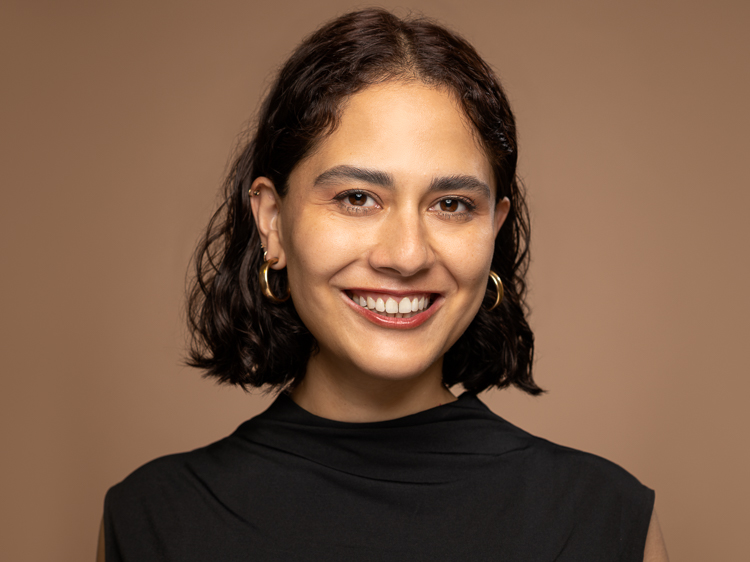
Alejandra Dorado Vinay (she/her) is a doctoral student at Sophia University in Tokyo. She holds a master’s degree in Urban Studies and a bachelor’s degree in Politics and Public Administration from El Colegio de México. Her doctoral research examines the valuation of global culinary categories, particularly through the cases of Mexican and Peruvian food in Japan. She also participated in the collaborative research that resulted in the special section “Migrant Foodways and Culinary Mobilities in Japan,” published in Gastronomica.
Her master’s research traced the history of Japanese restaurants in Mexico City, examining the changes in ideas of authenticity and localization, mainly through stories about rice and soy sauce served with chiles toreados. In addition to her doctoral studies, she works as a research analyst at a market research and consulting firm in Japan specializing in the international food, beverage, and agribusiness sectors.
Elif Birbiri, Vice president
York University

Elif Birbiri (she/her) is a doctoral candidate in the Social Anthropology Department at York University. She holds a BSc degree in Gastronomy and Culinary Arts from Özyeğin University and an MA in Sociology from Boğaziçi University. She has received professional culinary training and worked in professional kitchens in Turkey, Hungary and Brazil. Following her MA studies, she worked on scientific research projects on Turkey’s agro-food systems and collaborated with local food cooperatives, which broadened her perspective on the political economy of food. Her doctoral project focuses on the intersection of plastic waste infrastructures and agri-food production in Turkey’s eastern Mediterranean region. She enjoys playing board games, hiking, and cooking with her friends.
Jieling Yang
Victoria University of Wellington

Jieling Yang (she/her) is a PhD student in Cultural Anthropology at Victoria University of Wellington. She holds an MA degree in Social Anthropology from SOAS, University of London. Her doctoral research focuses on fermented foods in the ethnic minority regions of Southwest China, investigating the heritagization and ongoing reinvention of regional cuisine by exploring local foodways and their authorization and promotion. Through the bubbling of food, she aims to unfold relationships not only between urban and rural areas, and central and peripheral regions, but also between humans and the environment, as well as humans and microorganisms. Prior to pursuing her PhD, she worked in the market research and brand strategy industry, specializing in transforming vivid field stories into business solutions.
Mallory Cerkleski
Scuola Normale Superiore

Mallory Cerkleski (she/her) is a doctoral candidate in History at the Scuola Normale Superiore in Pisa, Italy. She holds an M.A. in Food Innovation and Management from the University of Gastronomic Sciences and dual B.A. degrees in Sustainable Food Systems and Political Science from Guilford College. Her doctoral project consists of a comparative history of the lived experiences of communist food systems in Cuba and Kerala using oral history and archival methodologies.
Mallory’s research on food justice and sovereignty has been published in the Journal of Agriculture, Food Systems, and Community Development and the Journal of Gastronomic Sciences. She also authored the essay “Resolver and Rebusque: The State of Cuban Land and Food Sovereignty” in the book Food Sovereignty and Land Grabbing. She is a board member of the Research Network for Postsocialist Cultural Studies (SOYUZ) and leads the “Culinary Chronicles” project, which explores cultural heritage through oral histories using food as a tool and lens.
Her extensive fieldwork includes projects in Cuba, India, Malawi, and the U.S., and she has presented her research at various international conferences. Mallory documents her findings and thoughts on Instagram at @savoringtheages.
Sujata
Panjab University
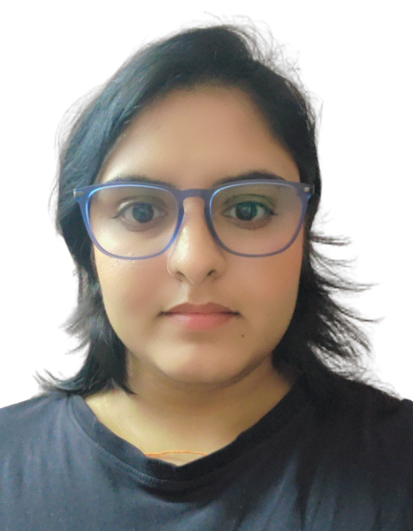
Sujata is a PhD Research Scholar in the Department of English and Cultural Studies at Panjab University, Chandigarh, India. Her research is situated at the intersection of Food Studies, cultural ecology, folklore, and literary inquiry. Drawing on narratives, oral traditions, and everyday food practices, she explores how food functions as a site of memory, ecological knowledge, cultural continuity, and social imagination.
Her doctoral project, Voices from Northeast India: Narratives of Food and Ecology, examines how food narratives articulate relationships among communities, landscapes, and more-than-human worlds. More broadly, her work engages with Indigenous foodways, traditional knowledge systems, food heritage, and the cultural politics of taste, with a particular interest in how food mediates questions of identity, belonging, sustainability, and environmental change.
Through her research, she seeks to contribute to emerging conversations that position food not merely as a material necessity or cultural artefact, but as a critical lens for understanding the intertwined histories of people, place, and ecology. As a member of the GAFS Board, she looks forward to fostering interdisciplinary dialogue and building connections across diverse food cultures, research traditions, and scholarly communities.
Gaurish Shyam
University of Heidelberg
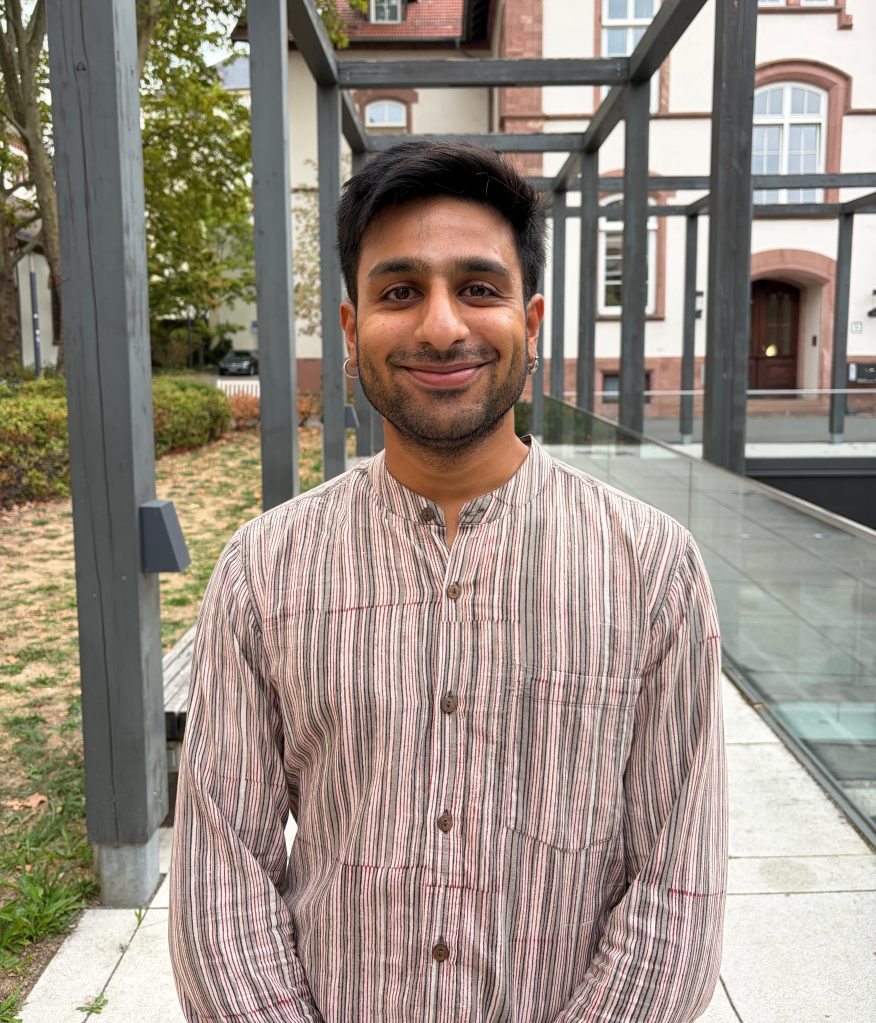
Gaurish Shyam is a doctoral student in Anthropology at the South Asia Institute of the University of Heidelberg, Germany. His current research explores food-based homemaking practices among herding communities who share land in the Western Himalayas. It asks if these practices converge or diverge as markers of communal identity, and whether they can offer alternative perspectives on dominant understandings of social identities. His interest in food is shaped by his work in professional kitchens and a short stint as a fromager across Italy, and India.
He holds an MA in South Asian Studies from the University of Heidelberg, a Master of Gastronomy from the University of Gastronomic Sciences (Italy), and a BA in Culinary Arts from Manipal Academy of Higher Education (India). His Master’s thesis received the runner-up Bill Whit Award from the Graduate Association for Food Studies (GAFS) and a Graduation Completion Grant from the University of Heidelberg.
Ryann Monteiro
Northwestern Univeristy
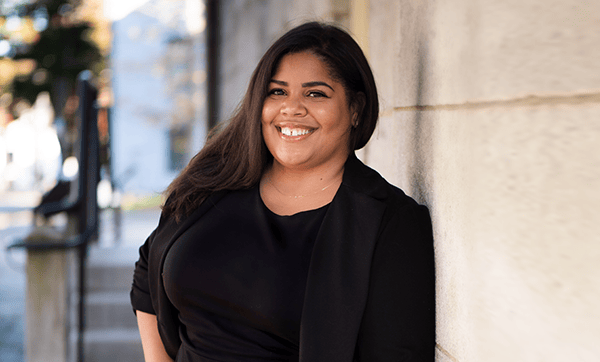
Ryann Monteiro (she/her) is a PhD student in Sociology at Northwestern University, where she is also a Mellon Cluster Fellow in Native American and Indigenous Studies. Her research sits at the intersections of food, culture, race, and land, with particular interests in food sovereignty, social and lifestyle movements, resistance, and refusal. She is especially interested in how Black and Indigenous communities use food, agriculture, and relationships to land to resist dominant social and economic systems and imagine alternative ways of living.
Ryann holds an MPH from Boston University and a graduate certificate in Food Studies from Boston University’s Metropolitan College, where she previously developed and taught Indigenous Food, Culture & Communities in the Gastronomy program. Her work draws across sociology, food studies, and Native and Indigenous studies to examine the social and cultural dimensions of food and agriculture. Ryann is a citizen of the Wampanoag Tribe of Gay Head (Aquinnah).
Luke Leach
Virginia Tech
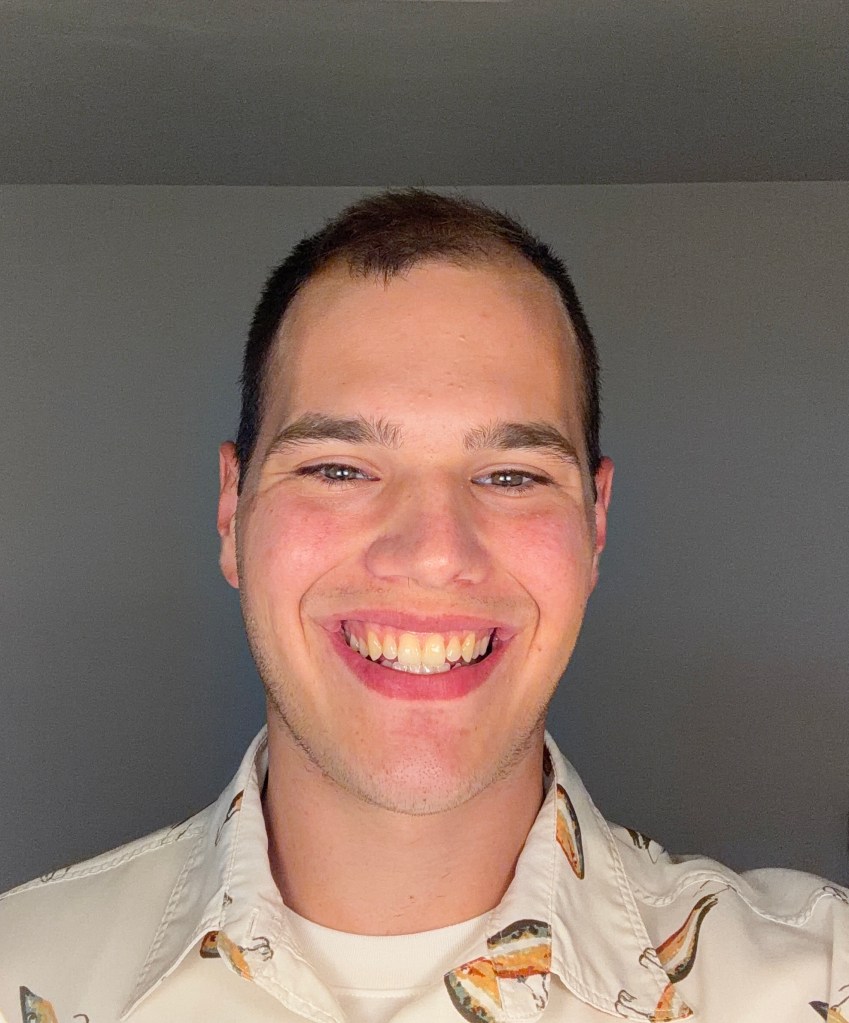
Luke Leach is a PhD student in the Food Science and Technology Department of Virginia Tech. He holds a BS in chemistry from Lycoming College in Pennsylvania. During his collegiate years, he did work at North Dakota State University (NDSU) in polymer chemistry. Additionally, he completed a yearlong senior project on electrochemical field evaluations of antioxidants in coffee aimed at improving price points as well as direct social interventions to improve community well-being in the Dominican Republic.
His current doctoral research focuses on green shell beans (GSBs), the mature yet undried stage of beans before drying. The goal is to improve crop rotation options/overwintering crops in the Mid-Atlantic region. GSBs are a great plant-based sources of protein, fiber, dietary variety, and nutrition (currently quantifying how “great”). His work focuses on nutritional analysis, as well as the sensory evaluation and analysis of various bean types and cultivars.
Future work could include value-added processing and/or storage and preservation analysis. Luke also has a strong interest in agroforestry and understory production. He is working on funding for traditional herbs and/or native botanicals. This is an underfunded market, but funding is possible, and he is willing to take it on as a side project due to his strong personal interests in the outdoors and foraging.
Nurliyana Rusli
Taylor’s University
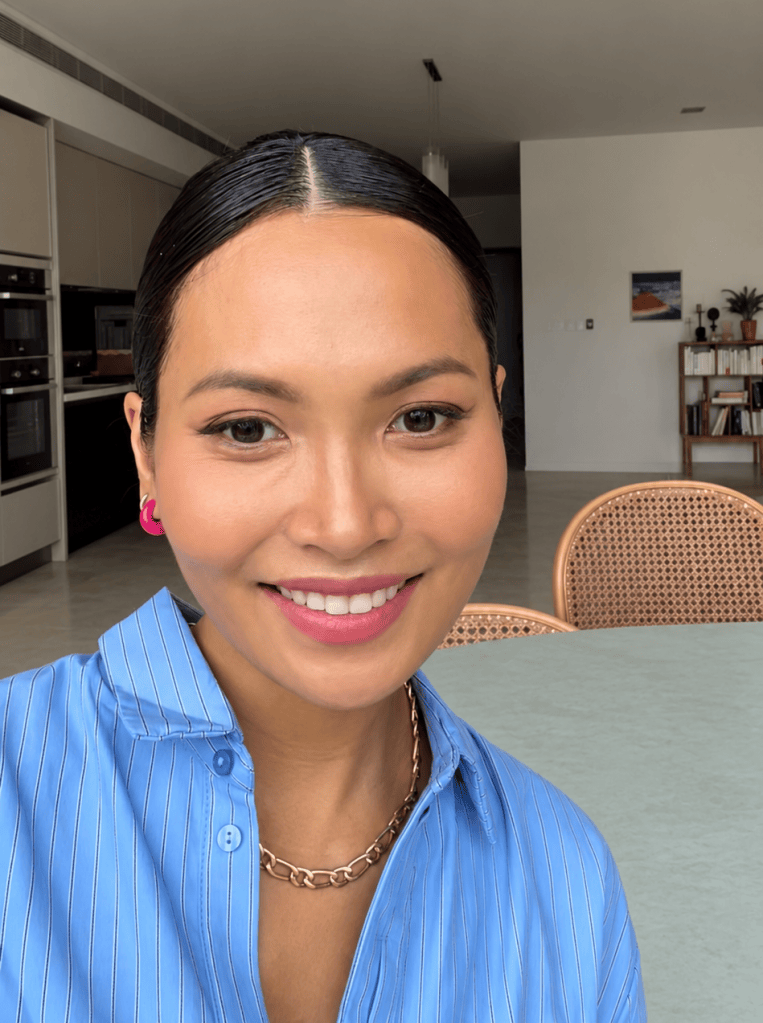
Nurliyana Rusli is a Malaysian founder of Malay and Javanese heritage whose work connects food, culture, and research. Her path has taken her from working in the corporate world to training as a chef, founding a restaurant, and returning to academia as a PhD candidate in Food Studies.
Through Foodways for Change, a nonprofit initiative she is developing, she hopes to translate research into practical resources and conversations that encourage people to think differently about food, culture, and responsibility. She is building this work steadily alongside motherhood, with a long-term view toward creating meaningful and sustainable impact.
Former Board & Editorial Members
Rikki Brown, President, 2024-2026; Vice President, 2022-2024; Treasurer, 2021-2022
Srijita Biswas, Board Member, 2024-2026
Leanne Miranda, Board Member, 2024-2026
Natasha Bernstein Bunzl, Board Member, 2024-2026
Palbi Sharma Bhargava, Board Member, 2024-2026
Isabelle Bishop, Co-editor, 2023-2024
Mohini Mehta, Co-editor, 2021-2024
GJ Sevillano, Co-editor, 2023-2024
Stephanie Borkowsky, President, 2022-2024; Vice President, 2021-2022
Morgan Jenatton, Board Member, 2022-2024
Eugénie Clément, Board Member, 2023-2024
Dana Ferrante, Co-editor, 2022-2023
Shirin Daly, Board Member, 2021-2023
Ariana Gunderson, Board Member, 2022-2023; Co-President 2021-2022; Treasurer, 2017-2018
Eden Kinkaid, Co-editor, 2021-2022
Carlynn Crosby, Co-President, 2021-2022; Conference Coordinator, 2020-2021
Kaitlin Rizzari, Scholarly Communications Coordinator, 2021-2022
Bailee Blankemeier, Outreach and Programming Coordinator, 2021-2022
Gwyneth Manser, Conference Coordinator, 2021-2022
Jess Fagin, Co-editor, 2018-2022
Cormac Cleary, Co-editor, 2018-2022
Maria Carabello, Co-editor, 2018-2022
Maya Hey, Co-editor, 2018-2021
Katharine Hysmith, Co-editor, 2019-2020, Conference Coordinator, 2017-2018
Jessica Carbone, Co-President, 2019-2021
Erica Zurawski, Co-President, 2019-2021
Molly Mann, Treasurer, 2019-2021
James Edward Malin, Library Services Liaison and Scholarly Communications Coordinator, 2019-2021
Alanna K. Higgins, Programming and Outreach Coordinator, 2019-2021
Archish Kashikar, Social Media Manager, 2020-2021
Catherine Peters, Co-Editor, 2019; Editor-in-Chief, 2018-2019; Managing Editor, 2017-2018; Associate Editor, 2016-2017
Anastasia Day, President, 2017-2018
Gretchen Sneegas, Vice President, 2017-2018
Claire Bunschoten, Associate Editor & Communications Editor, 2017-2018; On-Site Conference Coordinator, 2017-2018
Emma McDonell, Managing Editor, 2016-2018
Sally Baho, Managing Copy Editor, 2016-2018
Edwige Crucifix, Book Reviews Editor, 2016-2018
Emily Contois, Editor-in-Chief, 2016-2017; Managing Editor & Communications Editor, 2015-2016
Brad Jones, President, 2016-2017
Tommy Le, Conference Coordinator, 2016-2017
Jake Eaton, Secretary, 2016-2017
Carla Cevasco, Editor-in-Chief, 2014-2016
Clara Hanson, Book Reviews Editor, 2014-2016
Zachary Nowak, President, 2014-2015
Faculty Board
Information about our current and previous faculty board can be found on the faculty board page.
Graduate Journal of Food Studies Board
Information about the Graduate Journal of Food Studies (GJFS), which is affiliated with GAFS and ASFS, can be found on their website.

